
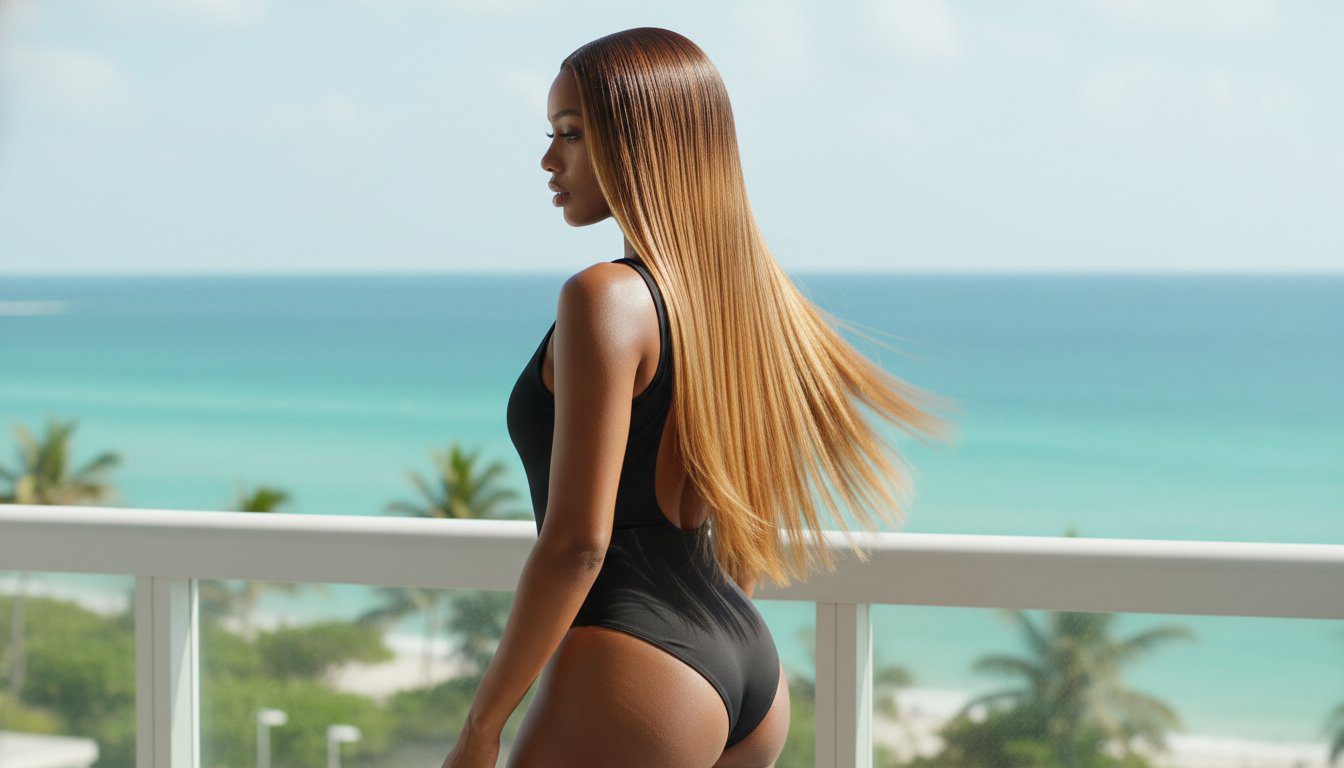
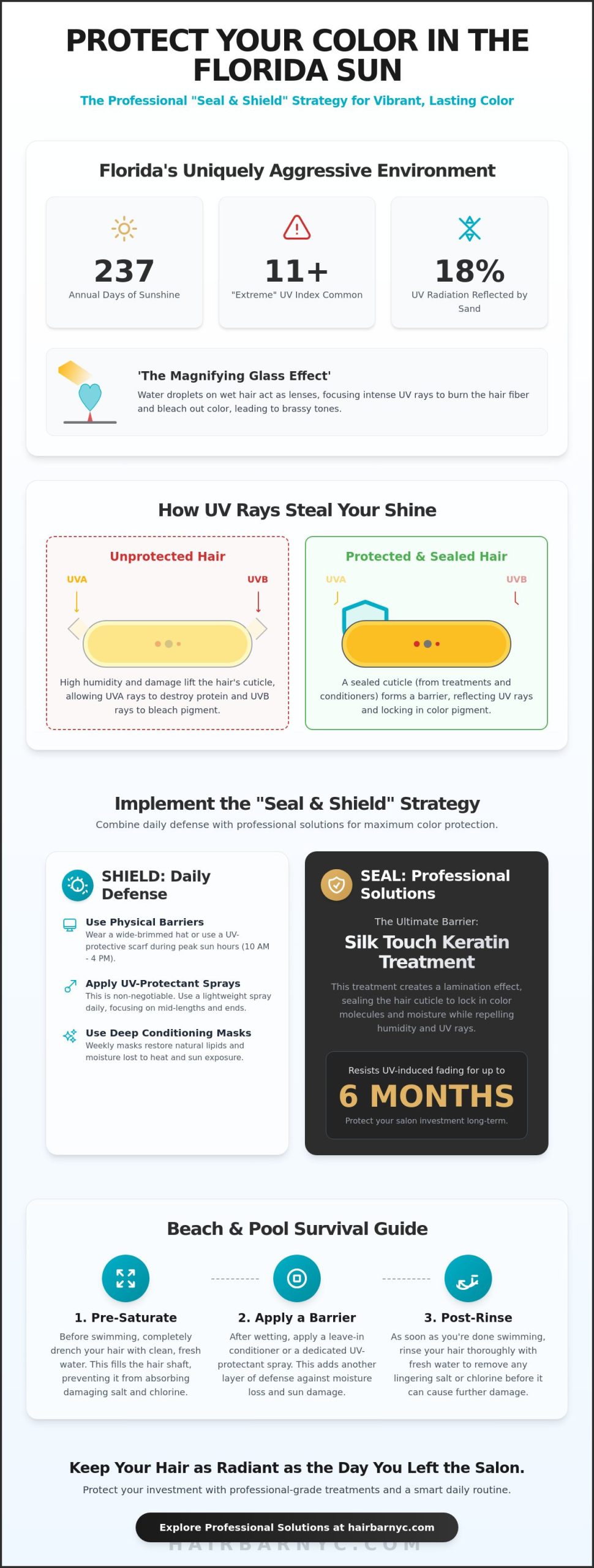
Did you know that Florida’s coastal sand can reflect up to 18% of UV radiation directly back onto your head? Between the 237 annual days of sunshine and a UV index that rarely dips below a six, your hair is under constant environmental stress. If you’ve ever wondered how to protect color treated hair from sun florida, you aren’t alone. Most residents find that their expensive salon highlights turn brassy or feel like straw within just a few weeks of exposure to the heat and humidity.
It’s frustrating to invest in beautiful balayage artistry only to watch the vibrancy vanish under the intense tropical sun. We believe you deserve to keep your hair as soft and radiant as the day you left the salon. This guide shares the professional secrets to maintaining that “just-colored” glow using a “Seal and Shield” strategy. You’ll learn how salon-grade barriers like a Silk Touch Keratin Treatment can lock in moisture while simple daily routines prevent oxidation. We’ll cover everything from the best UV-blocking maintenance to the exact steps for keeping your hair hydrated during a long weekend at the beach or pool.
Key Takeaways
- Understand how extreme UV levels and salt water create a magnifying glass effect that rapidly breaks down hair pigment and steals your shine.
- Learn how to protect color treated hair from sun florida by combining physical barriers with non-negotiable UV-protectant sprays for maximum defense.
- Master a simple two-step beach day routine that involves saturating your hair with fresh water to block salt and chlorine absorption before you swim.
- Discover how a Silk Touch Keratin Treatment creates a lamination effect to seal the cuticle and resist UV-induced fading for up to six months.
- Find out why consistent use of a deep conditioning mask is essential for restoring the natural lipids lost during intense Florida heat exposure.
Why Florida’s Sun is the #1 Enemy of Your Professional Hair Color
Florida’s sunshine is world-famous, but for anyone with a fresh balayage artistry or single process color, it’s a constant battle. The state’s proximity to the equator means we receive more direct, intense UV radiation than almost anywhere else in the country. In South Florida, the UV index regularly hits “Extreme” levels of 11 or higher. This isn’t just a number on a weather app; it represents a high-energy assault on your hair’s chemical bonds. When you’re looking for how to protect color treated hair from sun florida, you have to understand that the environment here is uniquely aggressive. The heat doesn’t just dry your hair out; it physically alters the pigment you just paid to achieve.
The primary culprit is a process called photo-oxidation. This occurs when UV rays penetrate the hair shaft and react with the oxygen in the air to break down both natural and synthetic pigments. You can explore The Science of Color Fading to see how melanin and artificial dyes are structural targets for radiation. In Florida, this process is accelerated by the “Magnifying Glass Effect.” When you leave the ocean or pool, tiny droplets of water sit on your hair strands. These droplets act as literal lenses, focusing the sun’s energy into concentrated beams that burn the hair fiber and bleach out your toner, often leaving behind those dreaded brassy orange or yellow tones within hours.
The South Florida UV Index vs. Your Hair Cuticle
Residents in Miami and Boca Raton face a higher risk of hair damage than those in northern states because the sun’s path is more vertical here. UVA rays are the “agers” of the hair world, silently destroying the protein structure and keratin bonds that keep your hair strong. Meanwhile, UVB rays act as the “bleachers,” attacking the pigment directly. Because Florida’s high humidity keeps your hair cuticle slightly raised and porous, these rays find an easy path into the cortex. This combination makes it nearly impossible to maintain vibrant color without a professional-grade barrier.
The Double Threat: Salt Water and Chlorine
In the Sunshine State, we rarely deal with “dry” sun exposure. Most damage happens when hair is wet. Salt is hygroscopic, meaning it physically pulls moisture out of the hair’s interior to the surface where it evaporates, leaving the strand brittle and “straw-like.” When you mix that salt with UV light, the chemical reaction becomes even more corrosive. Chlorine is equally dangerous; it acts as a catalyst that speeds up UV-induced fading. Learning how to protect color treated hair from sun florida requires a routine that addresses these wet-exposure risks before you even step onto the sand.
The Science of Color Fading: How UV Rays Steal Your Shine
Sunlight does far more than just lighten your hair; it triggers a deep chemical breakdown of the lipids and proteins that keep your strands smooth and reflective. When high-intensity UV rays hit color-treated hair, they target the melanin and artificial pigments nestled within the cortex. This degradation leads to a rapid loss of vibrancy and that signature “fried” texture many Florida residents struggle with. While many people assume blondes have the most difficult time, red and brunette shades often fade significantly faster in the intense heat. Red dye molecules are naturally larger and more unstable, which makes them the first to succumb to UV-induced oxidation. Understanding the science behind this molecular breakdown is the first step in learning how to protect color treated hair from sun florida effectively.
To combat this constant environmental assault, we utilize a “Seal and Shield” philosophy. This strategy focuses on creating a physical barrier that stops UV penetration before it reaches the hair’s internal structure. Without this barrier, the sun acts as a persistent bleaching agent that strips away the gloss and depth of your professional color. To maintain your look, you should implement Top Strategies to Shield Your Strands that prioritize lipid replacement and cuticle health. If your hair already feels brittle or look dull from recent beach days, a professional Deep Conditioning Mask can help restore the essential fats that the sun has evaporated.
Why Artificial Pigment is More Vulnerable
Artificial pigment is much more susceptible to damage than natural hair color. When you receive a salon service like a glaze or toner, the dye molecules are deposited into the hair’s cortex. UV radiation acts like a key that “opens” the hair cuticle, creating a path for those color molecules to escape or wash out during your next shower. Heat-styling tools only worsen this vulnerability by further weakening the cuticle’s ability to stay tightly closed against the elements. This makes how to protect color treated hair from sun florida a year-round priority for anyone who wants their color to last more than a few weeks.
The Importance of a Healthy Keratin Foundation
Keratin acts as the hair’s natural shield against environmental stressors, but it isn’t invincible. UV rays are notorious for depleting these natural protein levels, which leaves the hair porous, weak, and unable to hold onto pigment. Keratin is the structural armor of the hair fiber. By replenishing this foundation with a Silk Touch Keratin Treatment, you create a dense physical barrier. This “lamination” effect stops UV rays from reaching the fragile color molecules inside, ensuring your hair stays vibrant and strong despite the Florida sun.
Top Strategies to Shield Your Strands in the Sunshine State
When you’re deciding how to protect color treated hair from sun florida, you need a hierarchy of defense. Passive protection, like sitting under a beach umbrella, is a start. However, the most reliable results come from a combination of physical barriers and active chemical filters. Think of your hair care like your skincare. You wouldn’t rely solely on a hat to protect your face; you’d also apply a high-quality SPF. Your hair requires the same multi-layered approach to prevent the photo-oxidation discussed in previous sections.
Hats are a staple of Florida fashion, but they aren’t all created equal. That stylish, wide-brimmed straw hat might be doing less than you think. If you can see sunlight peeking through the weave of the straw, UV rays are reaching your hair. For maximum color preservation, look for hats with a UPF (Ultraviolet Protection Factor) rating of 50 or higher. These are woven tightly enough to block 98% of the sun’s rays, providing a true physical shield for your balayage or highlights.
UV-Protectant Sprays and Mists
In our humid climate, nobody wants heavy products that weigh hair down. UV-protectant sprays are designed as lightweight mists that sit on the surface of the hair to deflect radiation. It’s vital to distinguish these from standard heat protectants. While heat protectants shield against flat irons, UV-specific formulas contain specialized filters that absorb or scatter solar energy. To apply them effectively, mist your hair while it’s dry or slightly damp before heading outside. Focus on the top layer and the ends, as these areas receive the most direct exposure. Reapply after swimming or every few hours if you’re spending the full day at the beach.
Barrier Creams and Leave-In Treatments
Creams offer a more intensive level of protection than sprays. Before you even step onto the sand, try the “pre-pool” trick. Rinse your hair with fresh water and apply a generous layer of keratin care conditioner to your mid-lengths and ends. This saturates the hair shaft, making it much harder for salt water or chlorine to penetrate. The conditioner acts as a primer, sealing the cuticle against environmental stressors. If you’ve already spent a long day in the sun, using a deep conditioning mask as an overnight treatment can help repair the lipid loss caused by heat. This restorative step ensures your hair remains soft and manageable rather than turning into the “straw-like” texture common among Florida locals.
The Ultimate Florida Beach Day Routine for Color Protection
A successful day at the shore shouldn’t end with a frantic call to your stylist for a corrective color. Most fading happens because of a lack of preparation. If you want to know how to protect color treated hair from sun florida, you need a disciplined protocol that starts before you leave the house. Follow these five steps to ensure your balayage or highlights survive the weekend as vibrant as they started.
- Step 1: Saturate with fresh water. Never enter the ocean or pool with dry hair. Filling the hair shaft with clean water prevents it from absorbing salt and chemicals.
- Step 2: Apply a UV-protectant. Use a generous layer of leave-in cream or a specialized UV spray to create a physical barrier.
- Step 3: Secure your style. Braids are your best friend. They minimize the surface area of the hair exposed to direct light and keep the ends tucked away.
- Step 4: Reapply frequently. Just like skin sunscreen, hair protection washes off. Reapply every two hours or after every single swim.
- Step 5: Post-sun rinse. Immediately rinse your hair with fresh water after leaving the beach to remove salt and sand before they can cause further dehydration.
Pre-Sun Preparation
Your hair is like a sponge that needs to be filled with fresh water before it has the chance to soak up the ocean’s salt. By saturating your strands at home or at the beach shower, you leave no room for the corrosive salt water to enter the hair’s cortex. Once wet, braids are significantly better than top knots or buns. A braid protects the inner layers of your hair from the sun, while a top knot leaves your fragile ends exposed to the most intense radiation. This simple mechanical protection is a vital part of how to protect color treated hair from sun florida without much extra effort.
Post-Exposure Recovery
Recovery starts the moment you step off the sand. Use a sulfate-free keratin care shampoo to gently lift away salt and sunscreen residue without stripping your color. It’s best to avoid heat styling for at least 24 hours after a heavy sun day. Your hair’s internal bonds are already stressed from UV exposure, and adding a flat iron can lead to immediate breakage. If you notice your ends looking a bit dull or brassy after a vacation, a professional glaze / toner is the most effective way to neutralize unwanted warmth and restore that high-gloss finish.
Ready to restore your hair’s vibrancy after a weekend in the sun? Book your professional glaze or hydration treatment today.
Professional Solutions: How Silk Touch Keratin Protects Your Color
While daily sprays and beach routines provide essential defense, the most effective way to ensure long-term color preservation is through professional intervention. The Silk Touch Keratin Treatment offers a sophisticated solution by physically sealing the hair cuticle for up to six months. This creates what we call the “Lamination Effect.” Instead of leaving your pigment exposed to the relentless Florida sun, this treatment wraps each strand in a protective protein shield. This barrier reflects UV radiation and prevents the photo-oxidation process that we detailed earlier. When you’re researching how to protect color treated hair from sun florida, a professional keratin seal is often the missing piece of the puzzle.
Professional stylists observe that daily maintenance is only half the battle. To truly shield your hair, you need a semi-permanent barrier. The keratin acts as a sacrificial layer; it takes the brunt of the sun’s energy so your color doesn’t have to. This is especially vital for those with porous hair that tends to soak up salt and chlorine like a sponge. By smoothing the hair’s surface, the treatment ensures that environmental toxins slide off the hair fiber rather than settling into the cortex.
The Silk Touch Advantage for Florida Residents
Florida residents face a unique challenge with humidity. High moisture levels in the air cause the hair cuticle to swell and lift, making it incredibly porous. This open structure is exactly how salt water and UV rays penetrate the hair’s core to destroy your color. By reducing this porosity, the Silk Touch treatment makes your hair nearly “waterproof” against environmental stressors. You won’t just see a reduction in frizz; you’ll notice your toner and glaze stay vibrant for weeks longer than usual. You can learn more about these benefits in our guide to Keratin Smoothing Treatment services.
Booking Your Color-Protection Consultation
The first step toward lasting color is a professional assessment. Every head of hair reacts differently to the Florida climate, so a personalized plan is essential. Visit a Florida salon location to speak with a specialist who understands the local environmental factors. We can help you customize an aftercare routine using professional-grade products that specifically target UV protection and hydration. We often recommend combining your Balayage Artistry or Single Process Color with a keratin service to lock in the pigment immediately. Regular maintenance, including a Precision Haircut to remove damaged ends and a weekly Deep Conditioning Mask, will keep your hair healthy year-round. Don’t let the sunshine steal your investment. Book your appointment at Hair Bar NYC today to give your color the professional shield it deserves.
Master the Florida Sun and Keep Your Color Vibrant
You don’t have to choose between a life in the sun and a beautiful hair color. By adopting a “Seal and Shield” strategy, you can enjoy Florida’s beaches without the stress of rapid fading or dry, straw-like texture. Remember that preparation is your best defense; saturating your hair with fresh water and applying high-quality UV protectants before heading out makes a world of difference. When you combine these daily habits with professional treatments, you create a long-term barrier that simple sprays alone cannot match.
Understanding how to protect color treated hair from sun florida is about more than just wearing a hat; it’s about maintaining the structural integrity of the hair fiber. At Hair Bar NYC, our stylists bring over 10 years of keratin and color expertise to our locations in Miami, Boca Raton, and NYC. We specialize in shielding your strands with our proprietary, formaldehyde-free formula designed to withstand the most intense tropical climates. Protect your color with a professional Silk Touch Keratin Treatment at Hair Bar NYC. Your hair is an investment that deserves the best care possible. Stay radiant, stay hydrated, and enjoy every sunny day with confidence.
Frequently Asked Questions
Can I put regular sunscreen in my hair to protect the color?
No, you shouldn’t use regular skin sunscreen in your hair. These formulas are designed for skin absorption and can leave your strands feeling sticky, greasy, or looking dull. Instead, look for specialized hair mists that contain UV filters designed to bond with the hair fiber. These products offer a lightweight shield without the heavy residue that traditional sunscreens leave behind.
How often should I use a deep conditioning mask if I live in Florida?
You should use a Deep Conditioning Mask at least once or twice a week if you live in Florida. The relentless heat and humidity constantly strip your hair of its natural lipids and moisture. Regular treatments help replenish these essential fats, keeping your hair soft and manageable. This is a vital step in learning how to protect color treated hair from sun florida, as hydrated hair is less likely to become porous and fade.
Does salt water actually bleach color-treated hair?
Salt water doesn’t bleach hair on its own, but it acts as a catalyst when combined with UV rays. The salt crystals that remain on your hair after swimming create a magnifying glass effect, concentrating solar energy and accelerating photo-oxidation. This process strips away both natural and artificial pigments, leading to that “bleached” or brassy look often seen after long beach days.
What is the best hairstyle for a day at the beach in Miami?
A tight braid is the best hairstyle for a beach day in Miami. This style keeps your hair contained and minimizes the total surface area exposed to direct sunlight. It also protects your fragile ends by tucking them into the center of the braid. Unlike a loose bun, a braid prevents tangling from the ocean breeze and makes it easier to reapply UV-protectant sprays throughout the day.
Will a keratin treatment change my hair color?
A Silk Touch Keratin Treatment will not change your actual hair color, but it often makes the shade appear more vibrant and shiny. By smoothing the cuticle and sealing the hair shaft, the treatment allows light to reflect more evenly off the surface. It acts as a protective lamination that locks in your existing pigment, making it one of the most effective ways for how to protect color treated hair from sun florida.
How long after getting my hair colored should I wait before going in the sun?
You should wait at least 48 to 72 hours after a color service before spending significant time in the sun. It takes a few days for the hair cuticle to fully close and for the new pigment to stabilize within the cortex. Immediate exposure to Florida’s high UV levels can cause the color to oxidize before it has properly set, leading to premature fading or unexpected tonal shifts.
Can a hair glaze fix sun-damaged, brassy hair?
A professional Glaze / Toner is the perfect solution for neutralizing sun-damaged, brassy hair. This service deposits a sheer layer of translucent color that cancels out unwanted orange or yellow tones while adding incredible shine. It’s a quick, non-damaging way to refresh your look between full color appointments, especially after a vacation or a summer spent outdoors.
Is it better to wash my hair before or after going to the beach?
It is much better to wash your hair after going to the beach rather than before. Your hair’s natural oils provide a small amount of protection against salt and sun, so you don’t want to strip them away right before exposure. Once you leave the sand, use a sulfate-free Keratin Care Shampoo to remove all traces of salt, sand, and chlorine that could cause long-term dehydration if left on the scalp.
Related posts
Humidity Proofing Hair in NYC Summer: The 2026 Professional Guide
You spent forty-five minutes perfecting your blowout, only to step out into the July air and watch it double in volume before you even reach the...
Can I Color My Hair After Hair Botox? The Expert Timing Guide (2026)
With the demand for non-toxic hair treatments rising by 15% in 2026, more people than ever are asking the same critical question: can i color my hair...
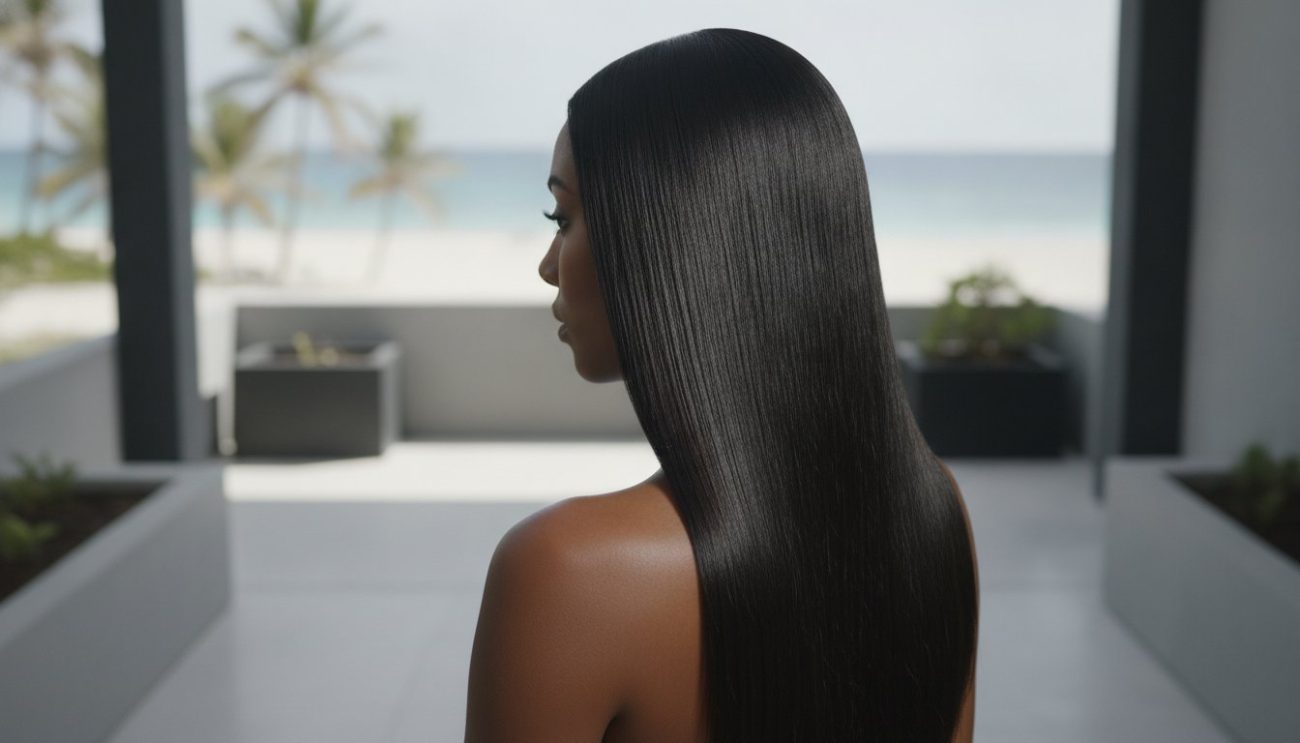
Keratin Treatment for Vacation Prep: The Ultimate Guide to Frizz-Free Travel in 2026
What if you could delete your heavy blow-dryer from your packing list and still look salon fresh in every tropical photo? For most travelers, the...