
Blog
Facial Massage Benefits and Limitations: Is It Right for Your Skincare Routine?
Posted by
Beny Molayev
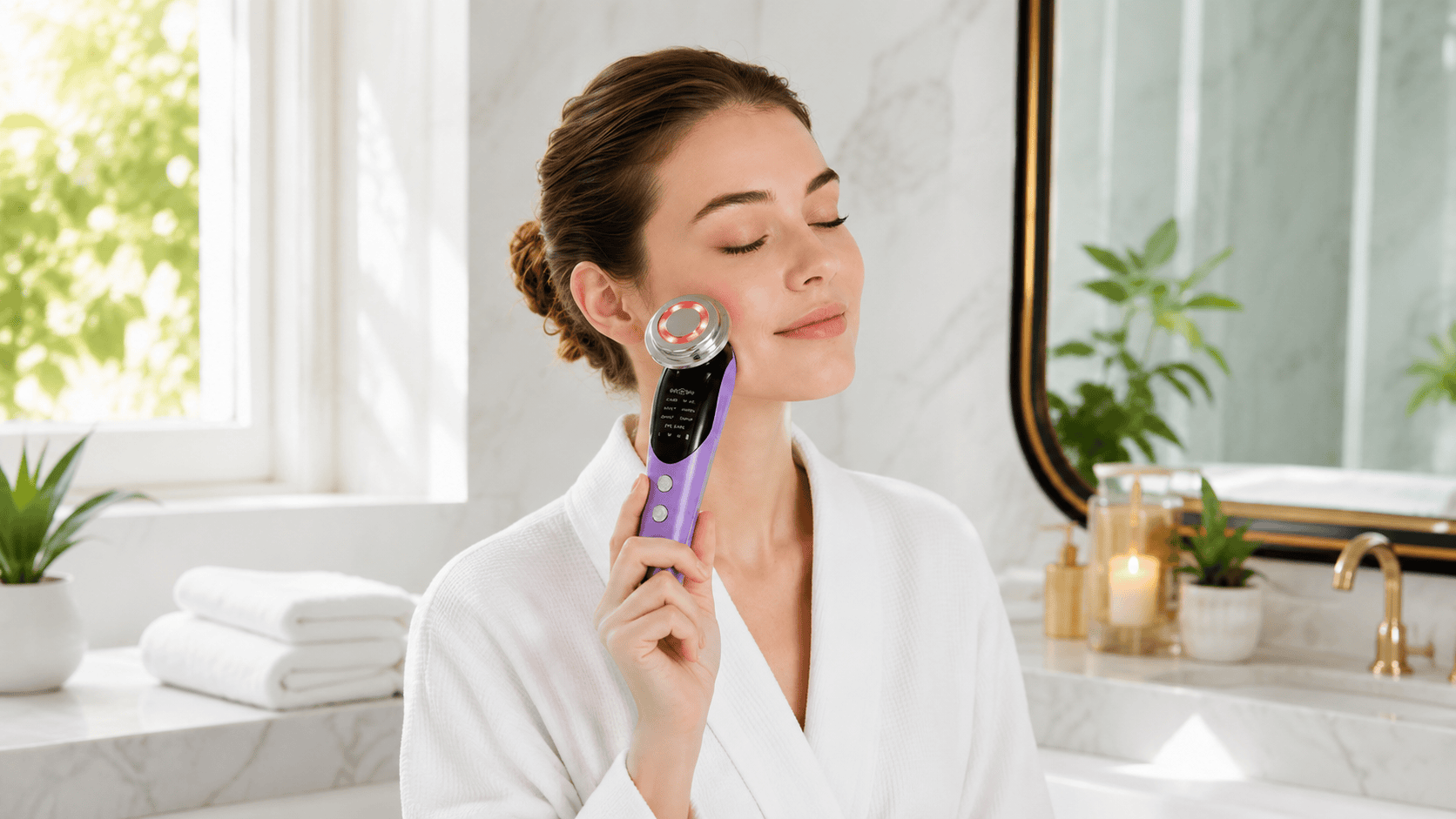
What if improving your skincare routine did not require adding another expensive serum or scheduling another salon appointment?
Many people focus entirely on the products they apply, yet the way those products are applied can also affect how the skin feels and looks. A gentle facial massage can turn an ordinary skincare routine into a relaxing self-care ritual while temporarily helping the face appear refreshed, less puffy, and more defined.
Facial massage has become a popular part of anti-aging skincare, facial toning, and at-home wellness routines. Some people use only their fingertips, while others prefer rollers, gua sha tools, microcurrent devices, LED technology, or multifunctional beauty devices.
However, facial massage is not a permanent facelift, and it cannot replace sunscreen, healthy skincare habits, or professional dermatological treatment. Understanding its realistic benefits and limitations can help you decide whether it deserves a place in your routine.
Key Takeaways
- Facial massage may temporarily improve circulation, reduce puffiness, and relax tension around the jaw, forehead, and cheeks.
- Consistent massage can make the skin look more refreshed, although permanent lifting or wrinkle removal should not be expected.
- Massage works best when combined with cleansing, moisturising, sun protection, and suitable active ingredients.
- Modern beauty devices may combine massage with technologies such as LED light, radiofrequency, warmth, or microcurrent stimulation.
- Gentle pressure, sufficient slip, and correct technique are essential for avoiding unnecessary pulling or irritation.
- People with inflamed acne, damaged skin, infections, or certain medical conditions should seek professional advice before using facial massage techniques.
Table of Contents
- What Is Facial Massage?
- How Facial Massage May Benefit the Skin
- Facial Toning and Skin Rejuvenation
- Manual Massage vs Modern Beauty Devices
- How to Add Facial Massage to Your Skincare Routine
- Common Facial Massage Mistakes
- Who Should Avoid Facial Massage?
- Is Facial Massage Worth Adding to Your Routine?
- Frequently Asked Questions
What Is Facial Massage?
Facial massage involves gently moving the skin and underlying tissue with the fingers, palms, or a skincare tool. Common movements include sweeping, rolling, tapping, pressing, and small circular motions across the face, jawline, neck, and upper chest.
Unlike deep body massage, facial massage should use light, controlled pressure. The skin around the eyes is especially delicate, so aggressive rubbing or pulling should be avoided.
Outward strokes are often used to support fluid movement and reduce puffiness. Upward motions are commonly included in facial toning routines, while circular movements around the temples and jaw may help ease tension caused by stress or teeth clenching.
Facial massage is generally performed after cleansing and after applying a moisturiser, facial oil, gel, or serum that provides enough slip.
How Facial Massage May Benefit the Skin
Reduces Temporary Puffiness
A puffy face can result from poor sleep, fluid retention, allergies, hormonal changes, or a salty meal. Gentle massage may help move excess fluid and temporarily make the face look less swollen.
The effect is usually short-term. Massage does not permanently change facial structure, but it may help the face look more rested.
Supports a Brighter Appearance
Massage creates movement across the surface of the skin and may temporarily support local blood flow. This can leave the complexion looking warmer, brighter, and more refreshed.
The post-massage glow is usually connected to circulation, hydration, and reduced puffiness rather than a permanent change in the skin.
Relaxes Facial Tension
Many people hold stress in the jaw, forehead, eyebrows, and temples. Slow massage can help these areas feel more relaxed.
Although it will not remove established wrinkles, reducing tension may help the face appear softer and less tired. An evening massage can also become a calming self-care ritual.
Makes Skincare More Enjoyable
Facial massage encourages slower and more even product application. It can make a simple routine feel more intentional without requiring several additional products.
Light pressure is enough. Serums and creams do not need to be pushed aggressively into the skin.
Facial Toning and Skin Rejuvenation
Facial toning refers to techniques intended to make the face appear smoother, firmer, or more defined. Massage is sometimes promoted as a natural facelift, but realistic expectations are important.
Massage may temporarily improve definition by reducing puffiness, supporting circulation, and relaxing tense facial muscles. It may also make the skin feel smoother when paired with a hydrating product.
However, it cannot restore lost facial volume, permanently tighten loose skin, or replace professional cosmetic procedures. Its most realistic benefits include temporary de-puffing, a brighter-looking complexion, relaxed muscles, smoother product application, and short-term facial definition.
Manual Massage vs Modern Beauty Devices
Manual facial massage requires only clean hands and a suitable skincare product. It is affordable, easy to control, and ideal for people who prefer a simple routine.
Modern beauty tools can make facial care more structured. A multifunctional facial massager may combine massage with features such as LED light, microcurrent, warmth, or radiofrequency, allowing several cosmetic concerns to be addressed with one handheld device.
Microcurrent
Microcurrent devices use low-level electrical stimulation and are commonly used for temporary facial toning and definition. Results are usually subtle and depend on regular use.
LED Light
LED devices use different light wavelengths. Red light is often included in routines focused on skin rejuvenation and the appearance of fine lines. Visible improvements generally require repeated sessions.
Radiofrequency and Warmth
Radiofrequency technology uses controlled energy to warm the skin. Home-use devices operate at lower levels than professional systems and may support a firmer-looking appearance over time.
No home device should be treated as a permanent lifting solution. Always follow its recommended treatment time, intensity, and safety instructions.
How to Add Facial Massage to Your Skincare Routine
1. Start With Clean Skin
Wash your face with a gentle cleanser and make sure your hands or beauty tool are clean. This helps prevent oil, residue, and bacteria from spreading across the skin.
2. Apply a Product With Slip
Use a serum, gel, moisturiser, or facial oil that allows your fingers or device to glide without dragging.
Dry skin may prefer a cream or oil. Oily or acne-prone skin may benefit from a lightweight, non-comedogenic gel. Sensitive skin usually responds best to a simple, fragrance-free product.
3. Begin at the Neck and Jaw
Use light strokes along the sides of the neck, then move from the centre of the chin toward the ears. Avoid applying strong pressure to the front of the throat.
4. Move Across the Cheeks
Glide from the corners of the mouth toward the cheekbones and ears. Keep the movements slow and controlled. The skin should not feel painful or stretch excessively.
5. Be Gentle Around the Eyes
Use your ring finger or the gentlest device setting around the eyes. Move outward without pulling. Do not use an electronic device near the eyelids unless its instructions clearly allow it.
6. Finish at the Forehead
Move upward from the eyebrows toward the hairline, then outward toward the temples.
A session of three to ten minutes is generally enough. In the morning, finish with broad-spectrum SPF 30 or higher. In the evening, complete the routine with moisturiser.
Common Facial Massage Mistakes
Using Too Much Pressure
Facial massage should feel comfortable. Heavy pressure can cause redness, irritation, or bruising.
Massaging Dry Skin
Massage without enough slip may drag the skin. Apply a suitable product before beginning.
Using an Unclean Tool
Clean rollers, gua sha tools, and electronic devices after every use according to their instructions.
Expecting Permanent Sculpting
A sharper jawline after massage may result from temporary de-puffing. It does not mean the facial structure has permanently changed.
Combining Too Many Strong Treatments
Retinoids, exfoliating acids, scrubs, and intensive massage may be too harsh when used together. Keep the routine simple when the skin feels sensitive.
Who Should Avoid Facial Massage?
Avoid facial massage over skin that is inflamed, infected, injured, or recovering from a procedure.
Do not massage directly over open cuts, active cold sores, painful cystic acne, severe rosacea flare-ups, sunburn, skin infections, fresh cosmetic injections, or unexplained swelling.
People with certain medical conditions should seek professional advice before trying lymphatic drainage or electronic devices. Microcurrent or radiofrequency tools may not be suitable for people with pacemakers, implanted electronic devices, epilepsy, metal implants, pregnancy, or certain health conditions. Always check the product instructions.
Is Facial Massage Worth Adding to Your Routine?
Facial massage can be worthwhile when your expectations are realistic.
It may help reduce temporary puffiness, relax tense facial muscles, improve radiance, and make skincare more enjoyable. Modern devices may add LED light, microcurrent, warmth, or radiofrequency for a more advanced routine.
However, facial massage cannot stop natural ageing or permanently lift loose skin. The best results come from combining it with gentle cleansing, moisturising, daily sunscreen, healthy habits, and professional advice when needed.
Think of facial massage as supportive care rather than a miracle solution. When performed gently and consistently, it can become a relaxing and useful part of your beauty and wellness routine.
Frequently Asked Questions
Does facial massage tighten the skin?
It may temporarily make the face look firmer by reducing puffiness and supporting circulation. It cannot permanently tighten loose skin.
How often should I massage my face?
Start with two or three short sessions per week. Increase the frequency only if your skin responds well. Follow the recommended schedule for electronic devices.
Can facial massage reduce wrinkles?
It may temporarily soften the appearance of fine lines by improving hydration and circulation, but it cannot permanently remove established wrinkles.
Should I massage before or after skincare?
Cleanse first, then apply a serum, gel, moisturiser, or oil that provides enough slip. Apply sunscreen after massage during the day.
Can facial massage worsen acne?
Aggressive massage may irritate inflamed acne. Avoid painful breakouts and use clean hands, clean tools, and non-comedogenic products.
Are beauty devices better than using the hands?
Not always. Hands are suitable for simple massage, while devices may provide additional features such as LED, microcurrent, or warmth. The right choice depends on your skin, budget, and goals.
About Beny Molayev
View all posts by Beny MolayevRelated posts

Silk Touch Keratin vs. Brazilian Blowout: Which Smoothing Treatment is Best for 2026?
As of July 1, 2026, the hair smoothing landscape in Florida has shifted permanently with the strict new ban on formaldehyde-added cosmetics. If...
Telegram Bot Hosting on VPS: How to Run Your Bot 24/7 with Linux
Launching your first Telegram bot usually starts on a local computer. But as soon as the bot goes beyond personal testing, developers f...

How Long Does a Keratin Treatment Last? The 2026 Guide to Silk Touch
You spend hours in a stylist's chair, only to watch your hair expand the moment you step into the NYC humidity or a Miami afternoon. It's the...