
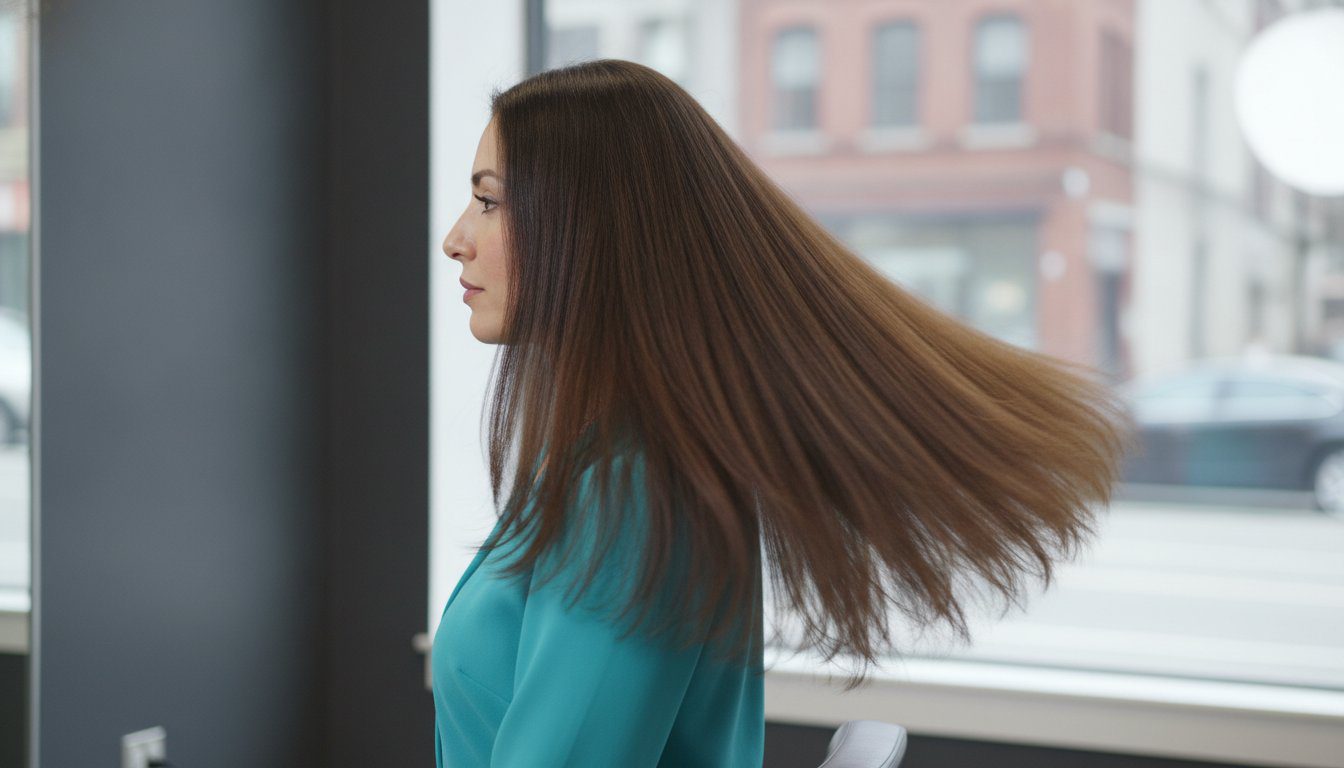
What if the very solution you’re seeking for thin hair is actually the one thing causing it to break? You likely already know the frustration of looking in the mirror and seeing your scalp through sparse strands, yet you hesitate to try enhancements because of the horror stories about tension alopecia or visible bonds. Finding the best hair extensions for fine hair nyc isn’t just about adding length; it’s about choosing a method that mimics the natural movement of your hair without weighing down fragile roots.
We’re here to show you that dramatic volume is possible without compromising your hair’s integrity. You’ll discover the most advanced, low-tension techniques designed specifically for delicate textures, from seamless Tape-In Hair Extensions to discreet K-Tip Extensions that stay hidden even in high NYC humidity. This guide covers everything you need to know about professional application and long-term safety, ensuring your transformation looks natural and keeps your natural hair healthy for years to come.
Key Takeaways
- Learn why fine hair requires a specialized approach to weight distribution to avoid scalp tension and protect your natural roots.
- Compare the benefits of Tape-In and K-Tip methods to determine the best hair extensions for fine hair nyc based on your specific density and lifestyle.
- Understand the science of the 1:1 weight ratio and how precision installation prevents common issues like “peeking” bonds or tension alopecia.
- Discover essential daily maintenance rituals and professional products like Keratin Care Shampoo that keep bonds secure and natural strands healthy.
- Find out how to achieve a seamless, frizz-free blend by integrating services like Silk Touch Keratin with your custom extension application.
Why Fine Hair Needs a Specialized Approach to Extensions in NYC
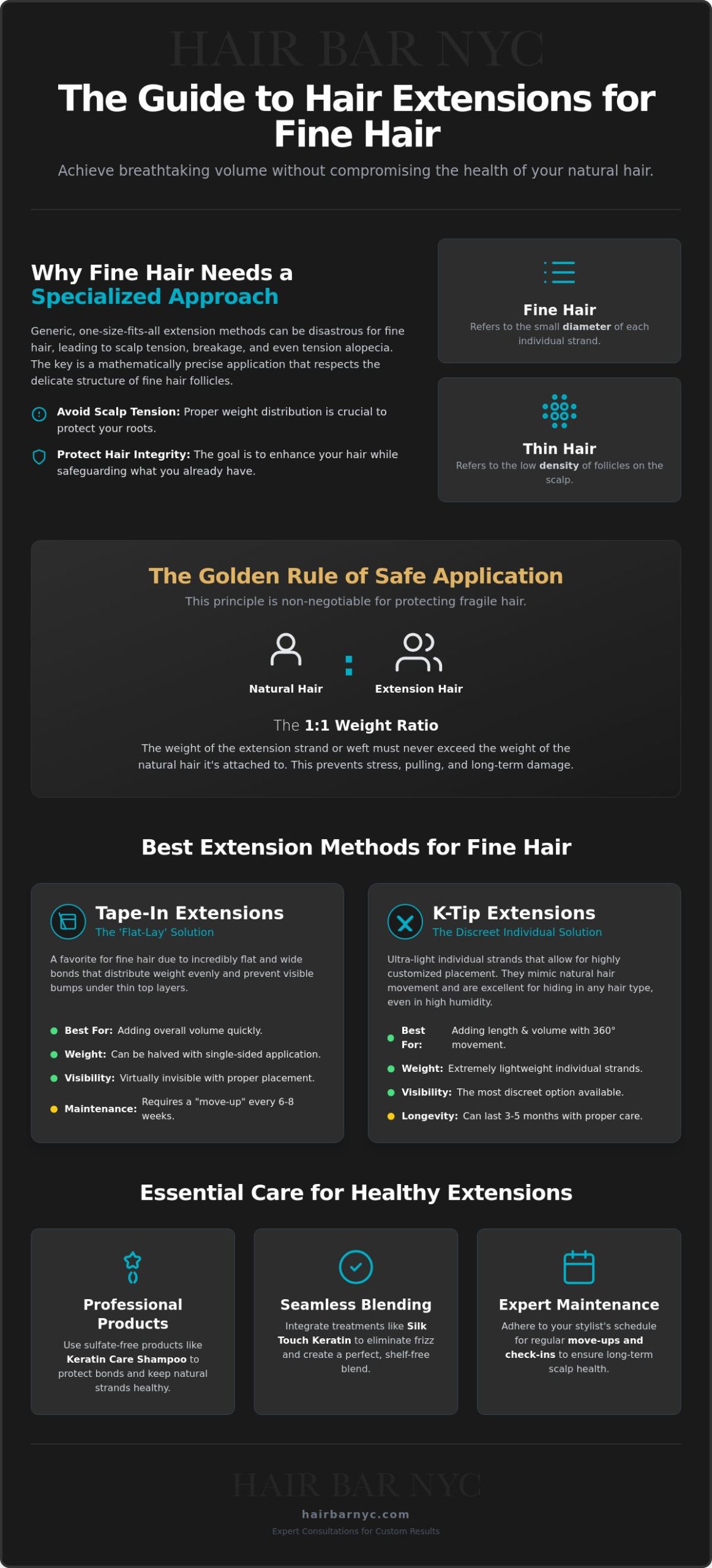
Fine hair isn’t just a texture; it’s a specific set of biological requirements that many generic salons overlook. When you’re searching for the best hair extensions for fine hair nyc, you aren’t just looking for extra length. You’re looking for a specialist who understands that fine hair is structurally different from thick or coarse hair. A one-size-fits-all application that works on a client with dense, resilient follicles can be disastrous for someone with a delicate scalp. The weight of the attachment, the tension applied during installation, and even the placement of the bonds must be mathematically precise to prevent breakage.
The psychology of fine hair often involves a cycle of fear. Many New Yorkers avoid enhancements because they worry about tension alopecia or the embarrassment of bonds “peeking” through thin top layers. Before choosing a salon, it’s helpful to understand the basics of what hair extensions are and how they interact with your natural growth. For those with fragile strands, the goal isn’t just to add hair; it’s to do so in a way that protects the hair you already have. Generic methods often fail because they don’t account for the unique “safety threshold” of fine hair follicles.
Fine Hair vs. Thin Hair: What’s Your Profile?
It’s common to use these terms interchangeably, but they’re distinct profiles. Fine hair refers to the small diameter of each individual strand. Thin hair refers to the density, or how many follicles you have per square inch on your scalp. You can have a high volume of hair that is structurally fine, or you can have thick strands that are sparsely distributed. This distinction is vital because it dictates the maximum weight an extension can safely carry. In NYC, where a cosmetology license requires 1,000 hours of training, a true expert identifies “fragile zones” around the hairline and temples where hair is naturally thinner and more prone to damage from over-direction.
The Challenges of NYC’s Climate on Extensions
Living in Manhattan adds environmental layers to hair care. From the sweltering humidity of subway platforms to the pollutants in the city air, your hair is under constant stress. Humidity is particularly challenging for fine hair because natural strands tend to frizz or go limp while the extensions stay straight, creating an obvious “shelf” between the two. Achieving a seamless blend requires high-quality professional products and a technician who knows how to anchor bonds to withstand the city’s pace. Without this specialized care, the bond longevity decreases, and the risk to your natural scalp health increases.
The Best Extension Methods for Fine Hair: Tape-Ins vs. K-Tips
Choosing the right attachment method is the most critical decision for anyone seeking the best hair extensions for fine hair nyc. While the market offers various options like microlinks or wefts, fine-haired clients require a solution that balances weight with invisibility. Some methods, such as microlinks, often struggle with slippage on silky, fine strands. In contrast, Tape-In and K-Tip extensions provide the grip and discreet profile necessary for low-density hair. These methods allow for a customized “zonal” application, ensuring that the heaviest extensions aren’t placed on your most fragile follicles.
The core of a safe installation lies in weight distribution. Professional application ensures that the weight of the extension never exceeds the weight-bearing capacity of the natural hair it’s attached to. This precision is vital for preventing tension and damage that can lead to long-term thinning. By spreading the load across a wider section of hair, as seen with tape-ins, or using ultra-light individual strands with K-tips, you can enjoy significant volume without the “tug” that often accompanies lower-quality installations.
Tape-In Extensions: The ‘Flat-Lay’ Solution
Tape-In Hair Extensions are a favorite for fine hair because the bonds are incredibly flat and wide. This “flat-lay” design prevents the bonds from creating visible bumps under thin top layers of hair. For those with exceptionally sparse strands, stylists often use a single-sided taping method. This involves one extension piece and a thin strip of medical-grade adhesive, effectively halving the weight on the natural hair. To keep these looking seamless in the city, you’ll need a maintenance “move-up” appointment every 6 to 8 weeks to keep the bonds close to the scalp.
K-Tip (Keratin Tip) Extensions: Ultimate Customization
K-Tip Extensions offer a level of 360-degree movement that other methods can’t match. Because they’re applied in small, individual strands, they mimic the way natural hair falls and moves. The keratin bond is made of a protein similar to your natural hair, allowing it to expand and contract with water. This makes them highly durable for a high-activity NYC lifestyle. Stylists can even “micro-size” these bonds, cutting them down to half or a third of their original size for safe placement near the crown or temples where hair is often at its thinnest. If you’re ready to see which method fits your hair profile, you can explore our professional extension services to find your perfect match.
Protecting Your Natural Strands: How We Prevent Tension and Damage
Safety isn’t just a marketing term; it’s a technical requirement for anyone seeking the best hair extensions for fine hair nyc. Many clients believe that damage is an inevitable side effect of adding volume, but breakage is usually the result of poor math rather than the extensions themselves. We utilize a strict 1:1 ratio during installation. This means the weight of the extension strand must perfectly match the density and strength of the natural hair section supporting it. If an extension is too heavy for the supporting strands, it creates a constant, microscopic tug on the follicle that leads to long term thinning.
Another common cause of damage is over-direction. This occurs when a stylist pulls the natural hair too far in one direction while applying the bond. Once the hair is released and falls into its natural growth pattern, it creates a “lever” effect that puts unnecessary pressure on the roots. Maintaining a proper safety margin is also essential. We ensure there’s enough natural hair at the root to allow for multi-directional movement and natural growth without the bond pinching the scalp. Finally, remember that professional removal is just as vital as the installation. Attempting to remove bonds at home or using improper solvents can strip the hair’s cuticle and cause immediate breakage.
The Dangers of Heavy Extensions
Using the wrong method or too much hair can lead to serious scalp issues. Traction alopecia from tight hairstyles is a real risk for those who prioritize immediate length over long term hair health. Early warning signs include small red bumps on the scalp, localized tenderness, or a stinging sensation near the bonds. We specifically avoid heavy wefts or large metal beads for fine-haired clients because they provide too much leverage on delicate follicles. The tension-to-strand ratio serves as the primary safety metric to ensure the extension weight never exceeds the natural hair’s tensile strength.
The Consultation: Your Safety Blueprint
Every successful transformation begins with a detailed scalp and hair health assessment. Our stylists examine your follicle density and look for any existing signs of breakage that might make certain areas off-limits for bonding. This blueprint allows us to set realistic expectations for your final look. If your hair is currently in a fragile state, we might suggest a conservative approach to volume to ensure your natural strands remain healthy. You can Schedule your free extension consultation at one of our locations to get a personalized safety plan tailored to your specific hair profile.
Living with Extensions in NYC: Maintenance, Styling, and Product Care
NYC living means your hair faces unique stressors like subway humidity and city pollution. Maintaining the best hair extensions for fine hair nyc requires more than just a monthly salon visit; it’s about a disciplined daily routine. Brushing twice a day is essential to prevent matting at the bond. Always use a specialized extension brush and hold the hair at the root to avoid tension. Start from the ends and work your way up to ensure you don’t snag the attachment points.
Nighttime care is your best defense against tangles. Sleeping on a silk pillowcase reduces the friction that leads to frizz and breakage. We recommend securing your hair in a loose, low braid or ponytail to keep the strands from rubbing against each other while you sleep. This simple step preserves the bond integrity and keeps your style looking fresh for your morning commute. This routine is especially important in New York, where the fast-paced lifestyle often means less time for intensive morning restyling.
Washing your hair with extensions requires a specific technique. You should never scrub the bonds directly. Instead, focus the shampoo on the scalp and let the suds rinse through the ends. Keep the water at a lukewarm temperature, as hot water can stress both your natural hair and the extension bonds. After washing, gently pat the hair dry with a microfiber towel rather than rubbing it vigorously. This prevents the mechanical stress that leads to shedding.
The Essential Product Kit for Extension Longevity
Chemicals in standard drugstore products can weaken the adhesives in tape-ins or the keratin bonds in K-tips. To keep your investment secure, Shop our Keratin Care Shampoo and Conditioner for extension-safe cleansing. These formulas are sulfate-free and designed to nourish the hair without causing the bonds to slip. You should also apply a Deep Conditioning Mask to the mid-lengths and ends once a week. It keeps the extension hair hydrated and prevents the “crunchy” texture that can happen with city water and air.
Styling and Heat Protection
Heat is a major factor in extension longevity. While you can still enjoy a Signature Blowout, you must keep high heat away from the attachment points. Excessive heat can melt keratin bonds or soften tape-in adhesives. Use a lower setting on your blow dryer and always apply a heat protectant. During styling, avoid applying oils or heavy serums near the scalp. These products can seep into the bonds and cause premature shedding. If you’re ready to upgrade your look, you can book your appointment online to ensure your best hair extensions for fine hair nyc are styled by an expert who understands fine hair.
Transforming Your Look at Hair Bar NYC: Expert Consultations and Custom Results
At Hair Bar NYC, our philosophy is simple. Healthy hair isn’t just a goal; it’s the foundation of every service we provide. When you’re searching for the best hair extensions for fine hair nyc, you’re looking for a team that prioritizes the long-term integrity of your natural strands over a quick fix. Our stylists undergo specialized training in what we call fine hair architecture. They don’t just apply hair; they build a structural map of your scalp to ensure each bond is placed where it’s most discreet and least taxing on your follicles. Healthy hair is non-negotiable.
Consistency is vital for maintaining a natural look and protecting your roots. Because we have multiple locations across NYC and Florida, you can maintain your extension schedule even if your lifestyle takes you between the two. This geographic flexibility ensures your maintenance appointments happen on time. Regular move-ups prevent the bonds from sagging too far from the scalp, which is the primary cause of tangling and tension in fine hair. Our stylists map your scalp for precision.
The Silk Touch Advantage
One of the biggest challenges for fine-haired clients in New York is the texture gap. Natural fine hair often reacts to city humidity by frizzing or going limp, while high-quality extensions remain sleek. This creates a visible “shelf” that ruins the illusion. To bridge this gap, we often suggest a Silk Touch Keratin Treatment before your extension installation. This smoothing treatment tames your natural hair so it perfectly matches the texture of the extensions. This combination is the gold standard for a seamless, frizz-free blend that looks effortless even on the most humid Manhattan days.
Ready for a Change? Your Next Steps
Preparing for your first appointment is straightforward. We ask that you arrive with clean, dry hair and avoid using heavy conditioners or oils near the roots; these can interfere with the initial bond. Once your extensions are expertly applied, the first 48 hours are the most important. You must avoid washing your hair or heavy exercise to allow the bonds to fully cure and set. After this brief window, you can return to your normal routine with newfound confidence and volume. If you’re ready to move past the frustration of thin strands, Book your NYC hair extension transformation today and discover how custom-engineered volume can change your daily look.
Start Your Transformation Today
Achieving the hair of your dreams shouldn’t come at the cost of your natural strands. We’ve explored how specialized methods like K-Tips and Tape-Ins protect delicate follicles while providing the density you’ve always wanted. By prioritizing the tension-to-strand ratio and utilizing high-quality care, you can maintain a look that feels as natural as it looks. Finding the best hair extensions for fine hair nyc is about more than just aesthetics; it’s about a long-term commitment to your hair’s health and scalp integrity.
Our team consists of specialists in fine hair architecture who understand the nuances of low-density textures. We offer a unique advantage by integrating formaldehyde-free Silk Touch Keratin treatments with our extensions for a flawless, frizz-free finish that stands up to city humidity. With expert stylists available across our NYC and Miami locations, you’ll receive consistent, professional care wherever your schedule takes you. You don’t have to compromise on safety to get the volume you deserve. Book Your Custom Extension Consultation at Hair Bar NYC and start your journey toward a fuller, more confident you.
Frequently Asked Questions
Are extensions bad for thin hair?
Extensions are not inherently bad for thin hair as long as the weight of the extension matches the strength of the natural strand. When seeking the best hair extensions for fine hair nyc, the key is ensuring the tension-to-strand ratio is balanced. Damage typically occurs when installations are too heavy for fragile follicles. By choosing a low-tension method and an expert stylist, you can safely add volume without causing breakage or long-term thinning.
How much do hair extensions cost in NYC for fine hair?
The total investment for hair extensions in New York City varies based on the application method, the quality of the hair, and the amount of volume required. Factors like hair length and the complexity of the blending process also influence the final price. Because fine hair requires a highly customized approach to ensure safety and invisibility, we recommend a personalized consultation to receive an accurate estimate tailored to your specific density and goals.
Which extensions are the least damaging for fine hair?
Tape-In and K-Tip extensions are widely considered the safest options for low-density strands because they offer superior weight distribution. These methods are designed to lay flat against the scalp, which minimizes mechanical stress on fragile roots. When researching the best hair extensions for fine hair nyc, look for techniques that allow stylists to micro-size the bonds. This level of customization ensures the extension weight never exceeds what your natural hair can safely support.
Can you see extensions in very thin hair?
No, extensions should remain completely invisible when they are applied using specialized placement techniques for fine hair. Stylists avoid “danger zones” near the crown and hairline where natural hair is thinnest and most likely to separate. By using flat-lay tape-ins or micro-sized K-tip bonds, the attachments stay hidden even during natural movement. Proper blending with a precision haircut and a custom color match further ensures that the bonds are never detected.
How long do extensions last in fine hair?
The longevity of your extensions depends on the specific method used and your commitment to a daily maintenance routine. Tape-in extensions typically require a professional move-up appointment every 6 to 8 weeks to keep the bonds close to the scalp. K-tip extensions offer a longer wear time, often lasting between 3 to 5 months before requiring a full removal and re-installation. Using professional products like Keratin Care Shampoo helps maintain bond integrity and hair quality.
Can I still get a blowout with extensions?
Yes, you can absolutely enjoy a Signature Blowout while wearing extensions. Professional stylists are trained to dry your hair safely without putting excess heat or tension on the attachment points. It’s important to use a lower heat setting and avoid pulling too hard with a round brush near the scalp. A professional blowout can actually help blend the extensions more seamlessly with your natural texture, providing a polished and voluminous finish that lasts.
How often do I need to move up my extensions?
Maintenance schedules vary by method, but most tape-in clients return to the salon every 6 to 8 weeks for a move-up. This process involves safely removing the tape, cleaning the natural hair, and reapplying the extensions closer to the root. K-tip extensions don’t have a move-up appointment; instead, they are worn for several months and then completely replaced. Staying on schedule is vital to prevent the extensions from sagging and causing unnecessary tension on the roots.
Can I go swimming or to the gym with extensions?
You can maintain an active lifestyle with extensions, but you must take specific precautions to protect the bonds from moisture and chemicals. Before swimming, wet your hair with clean water and apply a protective conditioner to prevent chlorine absorption. After a workout, dry the bonds immediately, as sweat can weaken the adhesive or keratin over time. Always secure your hair in a low braid or ponytail during high-intensity activities to prevent tangling and friction.
Related posts
Get Yourself Pampered This 4th of July with Hair Bar NYC’s Luxury Hair Treatments!
What if you could finally achieve the thick, flowing hair of your dreams without anyone noticing where your natural strands end and the extensions...
Tape-In Extensions Pros and Cons: Is This Method Right for Your Hair?
What if you could finally achieve the thick, flowing hair of your dreams without anyone noticing where your natural strands end and the extensions...
Will My Hair Be Flat After Keratin? What to Expect and How to Keep Your Volume
What if you could achieve the sleek, glass-hair shine of your dreams without looking like a "wet cat" in your post-salon selfies? It is a common fear...