
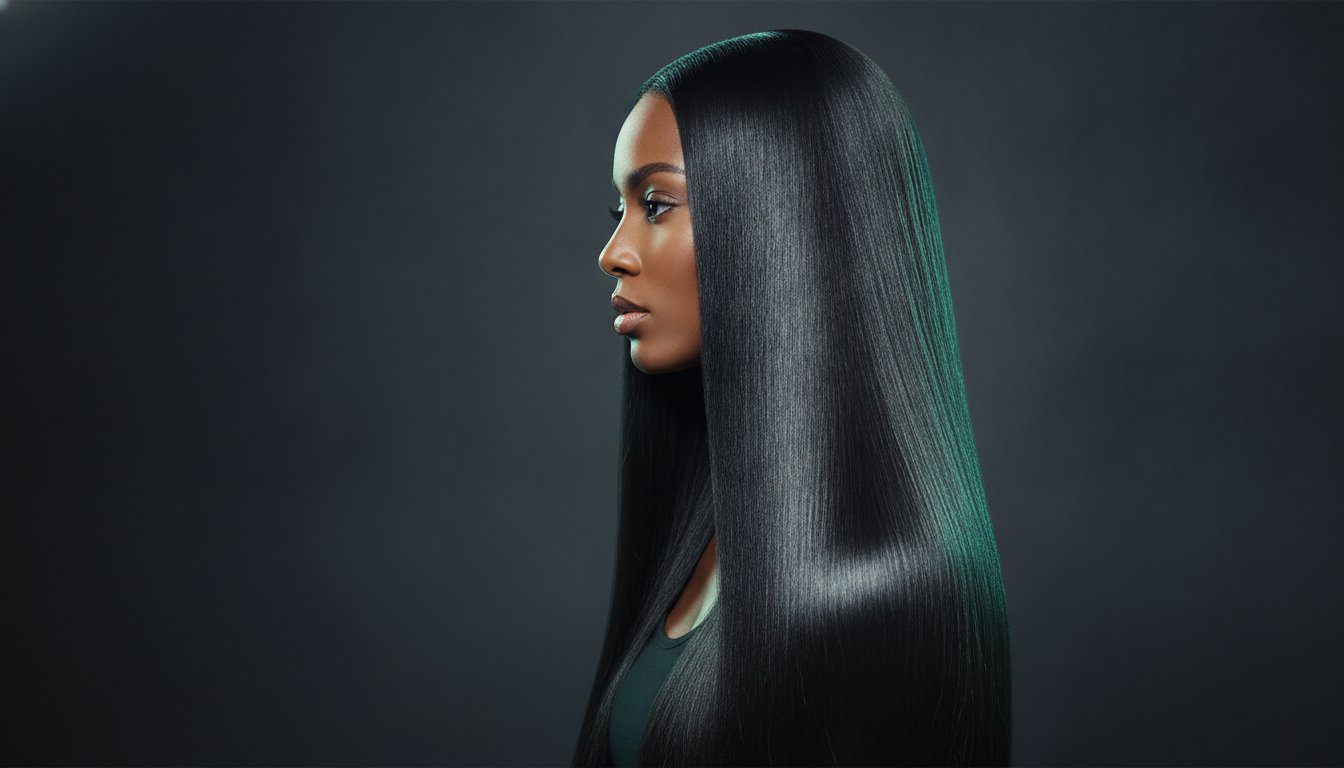
Did you know that the fate of your smooth, frizz-free hair is actually decided in the first 72 hours after you leave the salon chair? While a professional Silk Touch Keratin Treatment provides stunning results, nearly half of the longevity depends on what you do once you get home. It’s a common fear to worry about wasting a significant investment on a treatment that might wash out early because of a simple mistake.
We understand the confusion over which “sulfate-free” labels are actually safe and the struggle of managing your hair during that critical initial waiting period. This guide reveals exactly what to avoid after keratin treatment to ensure your hair stays manageable and sleek for up to six months. You’ll get a clear list of safe versus unsafe products, including why choosing the right Keratin Care Shampoo is vital for maintaining your results. We’re here to help you build a post-salon routine with total confidence.
Key Takeaways
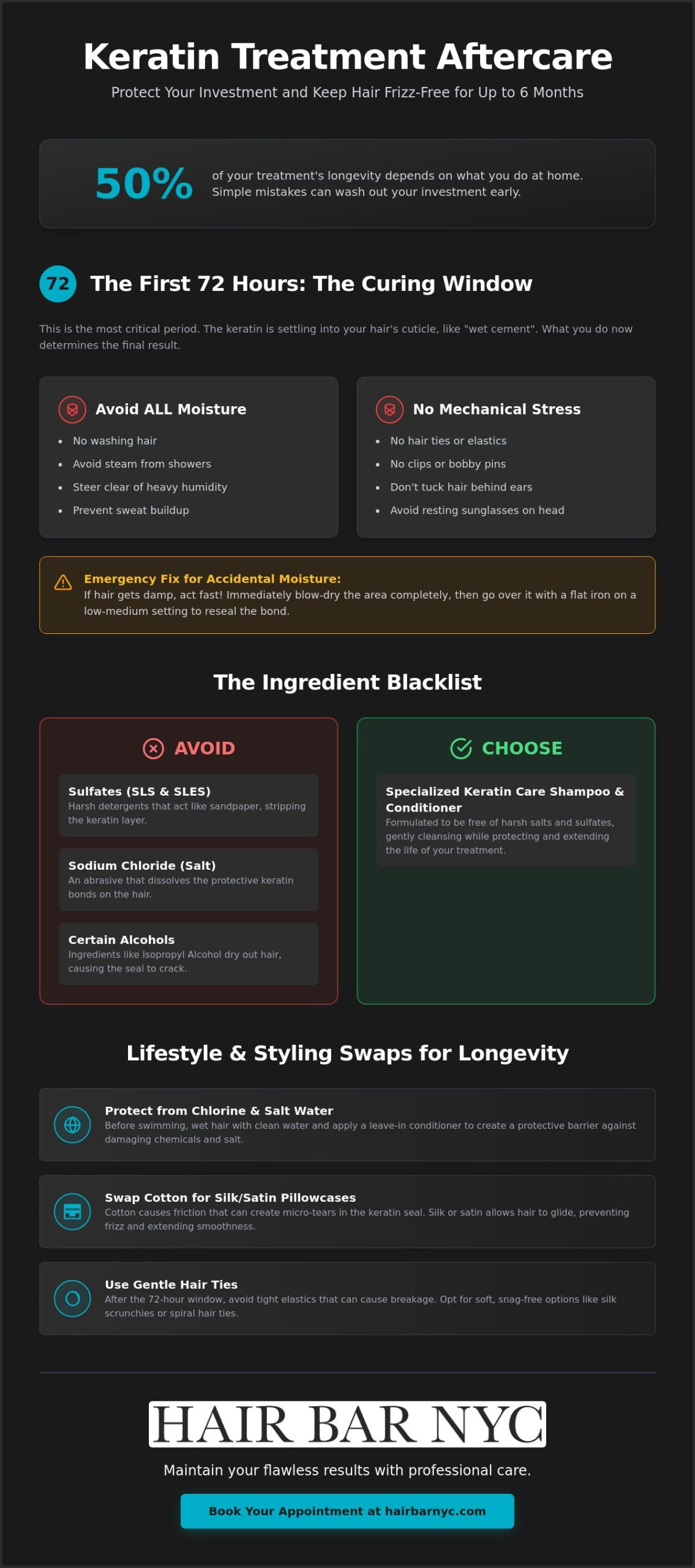
- Protect your investment during the critical 72-hour curing window by avoiding all moisture and mechanical stress from hair ties or clips.
- Learn exactly what to avoid after keratin treatment by identifying the specific sulfates and sodium chloride ingredients that act like sandpaper on your hair.
- Shield your smooth results from environmental damage caused by chlorine and salt water with proactive protection strategies for your ends.
- Swap out traditional cotton pillowcases and tight elastics for gentle alternatives that prevent micro-tears in the keratin seal.
- Extend your results for up to six months by following a professional maintenance routine using a specialized Keratin Care Shampoo and Conditioner.
The First 72 Hours: Immediate Restrictions to Prevent Dents and Frizz
The moment you step out of the salon with a fresh Silk Touch Keratin Treatment, your hair enters a delicate curing phase. This initial 72-hour window is the most critical time for your hair’s long-term health and appearance. During this period, the keratin protein is still settling into the hair cuticle. If you’re wondering what to avoid after keratin treatment, the absolute first rule is moisture in any form. This includes direct water, steam from a hot shower, heavy humidity, and even your own sweat. Steam is particularly sneaky because it opens the hair cuticle, which might cause the keratin to leach out before it has fully bonded. If you hit the gym and notice moisture at the hairline, use a blow-dryer on a cool setting immediately to evaporate the dampness before it sets.
Mechanical stress is another major factor that can ruin your results during these first three days. Because the hair is still malleable, any pressure can leave a lasting impression. Avoid using hair clips, elastic bands, or even resting your sunglasses on top of your head. These items create permanent dents or creases that remain once the curing process finishes. If you must move hair away from your face, do it gently without any tension. For grooming, skip your standard brush and use a wide-tooth comb only if you absolutely must remove a tangle.
Why the 72-Hour Window is Non-Negotiable
The science behind Brazilian hair straightening and similar keratin services involves a chemical transition where the protein fills the gaps in your hair’s porous structure. Think of this time as “wet cement” for your hair. The curing period is the most critical phase for longevity. If you disrupt this process by washing too early or tying your hair back, you risk uneven results and premature frizz. Taking these 72 hours seriously ensures the treatment seals correctly from root to tip.
Emergency Fixes for Accidental Moisture
Life happens, especially when you’re dealing with a sudden downpour in NYC or the intense humidity of Florida. If your hair gets damp, don’t panic, but you must act fast. Immediately use a blow-dryer on a medium heat setting to dry the affected area completely. Once the hair is dry, use a flat iron on a low-to-medium setting to smooth out any potential kinks or waves. This helps reset the bond before it hardens into a crease. If you experience a major mishap or notice persistent waves, contact your stylist at Hair Bar NYC for professional advice or a quick touch-up to save your investment.
The Ingredient Blacklist: Why Sulfates and Salts Are Your Treatments Worst Enemies
Most people leave the salon knowing they need a sulfate-free shampoo, but many don’t realize that sulfates are only half of the equation. Understanding what to avoid after keratin treatment requires a deeper look at the chemistry of your hair products. Sulfates like Sodium Lauryl Sulfate (SLS) and Sodium Laureth Sulfate (SLES) are heavy-duty detergents. While they’re great for cutting through grease on a frying pan, they act like liquid sandpaper on your hair. They aggressively scrub away the keratin coating, significantly shortening the lifespan of your smooth results. If you use these harsh cleansers, you’ll likely see frizz returning weeks earlier than expected.
Sodium Chloride, or common table salt, is the silent killer of keratin treatments. It’s frequently used as a thickening agent in shampoos, even in some labeled as “natural” or “organic.” Salt is highly abrasive and acts as a solvent. Sodium chloride acts as a corrosive agent that physically dissolves the protective keratin bonds on the hair surface. Beyond shampoos, you should also be wary of alcohol-based styling products. High concentrations of isopropyl alcohol or ethanol, often found in cheap hairsprays, dry out the hair and cause the keratin seal to crack and flake away. Clarifying shampoos are equally dangerous; they’re designed to strip everything from the hair, which is perfect before a treatment but disastrous afterward.
Reading the Label: Red Flag Ingredients
In 2026, marketing terms can be deceptive. A bottle might claim to be “natural,” yet still contain ingredients that ruin your hair. When shopping, check the fine print for these five red flags:
- Sodium Lauryl Sulfate (SLS)
- Sodium Laureth Sulfate (SLES)
- Sodium Chloride (Salt)
- Ammonium Lauryl Sulfate
- Isopropyl Alcohol
Don’t assume “Sulfate-Free” on the front of the bottle means it’s safe. Many brands replace sulfates with other harsh salts to maintain a thick texture, so always verify the full ingredient list before buying.
The Safe Alternatives for Daily Cleansing
The best way to protect your investment is to use products specifically formulated to work with your treatment. Using a specialized Keratin Care Shampoo ensures you’re cleansing without stripping. These formulas often include micronized keratin to help patch any small gaps that develop in the hair’s seal over time. For weekly maintenance, applying a Deep Conditioning Mask provides the hydration your hair needs without the risk of dissolving the treatment bonds. You can find a curated selection of verified, treatment-safe options at Hair Bar NYC Products to take the guesswork out of your routine.
Lifestyle Saboteurs: Managing Sweat, Sun, and Chlorine in NYC and Florida
Living in a high-energy city like New York or a coastal paradise in Florida presents unique challenges for maintaining your hair. When considering what to avoid after keratin treatment, environmental factors are just as important as the products in your shower. Chlorine is a major offender. It triggers a chemical reaction that effectively “eats” away at the keratin coating, leaving hair brittle and porous. For Florida residents, the salt air is a constant, invisible threat. The ocean breeze carries microscopic salt particles that settle on your hair, slowly dissolving the protein bonds that keep your strands smooth.
The sun’s intensity in 2026 has reached levels where UV exposure actively degrades the proteins in your hair. Just as you protect your skin, your hair needs a barrier to prevent the sun from bleaching out your treatment. If you’re a regular at the gym, managing sweat is another hurdle. Sweat contains natural salts that can strip the treatment if left to sit on the scalp for too long. Instead of washing daily, which accelerates treatment fade, focus on targeted scalp hygiene. If you’re visiting one of our Hair Bar NYC locations in Florida or New York, our stylists can recommend specific UV-protectant sprays tailored to your local climate.
The Pre-Swim Shield Technique
You don’t have to skip the pool or the beach entirely, but you must be proactive. Before entering the water, use the “Fresh Water Soak” method. Saturate your hair with clean, non-chlorinated water first. Your hair is like a sponge; once it’s full of fresh water, it can’t absorb as much salt or chlorine. Applying a layer of leave-in conditioner or a Deep Conditioning Mask before swimming creates an additional physical barrier. For NYC commuters, this same technique helps repel urban pollution and metallic dust from the subway that can dull a Silk Touch Keratin Treatment.
Washing Frequency and Water Temperature
Heat is a known enemy of protein bonds. When you do wash your hair, lukewarm water is a must for preserving the Silk Touch finish. Hot water opens the cuticle and allows the treatment to leach out faster. Aim for a “Twice a Week” washing goal. This transition might take time, but it significantly extends the life of your service. Between washes, use a high-quality dry shampoo to manage oils. Just ensure it’s salt-free, as many drugstore options use sodium-based starches that contradict the rules of what to avoid after keratin treatment.
Styling Mistakes That Shorten Your Results: Ponytails, Clips, and Cotton
While the first 72 hours are about chemical curing, the following months are about physical preservation. Many people don’t realize that their choice of pillowcase or hair tie is high on the list of what to avoid after keratin treatment. Standard cotton pillowcases create constant friction as you move in your sleep. This friction causes micro-tears in the keratin seal, leading to dullness and frizz long before the treatment should naturally wear off. Similarly, using thin rubber bands or elastics with metal clasps creates localized pressure points that can snap treated strands and leave permanent kinks in the hair’s texture.
Heavy styling products like thick waxes or oil-heavy pomades are also problematic. These products sit on top of the keratin layer and require aggressive scrubbing or clarifying shampoos to remove. As we covered in the previous section, these harsh cleaning methods are the fastest way to dissolve your results. Stick to lightweight, water-soluble styling aids that rinse away easily without disturbing the protein bond. If you’re struggling with flyaways, a tiny amount of Keratin Care Conditioner can often act as a safe, smoothing balm.
Upgrading Your Accessories
Switching to silk or satin accessories is a non-negotiable step for keratin maintenance in 2026. Silk scrunchies provide a gentle hold that distributes pressure evenly, preventing the “ponytail dent” that often plagues treated hair. For nightly care, a silk pillowcase allows your hair to glide across the surface without snagging or tangling. When it comes to grooming, swap your plastic-bristle brushes for a high-quality boar bristle brush. Boar bristles help distribute your hair’s natural oils, keeping the ends hydrated and the seal intact without the mechanical damage caused by rigid plastic teeth.
Safe Heat Styling in 2026
You don’t have to abandon your flat iron, but you must respect the new “Safe Zone” for temperature. Keep your heat tools below 365 degrees Fahrenheit. Anything higher risks melting the synthetic protein layer and causing permanent damage to the cuticle. If you want a professional look without the risk, a Signature Blowout is the safest way to style, as it uses controlled tension and lower heat to maintain smoothness. Always apply a keratin-compatible heat protectant before using any tools to act as a secondary barrier. If you’re unsure which tools are safe for your specific hair type, you can book a styling session to see how our professionals handle treated hair.
The Silk Touch Standard: Professional Maintenance for Long-Lasting Smoothness
Choosing a Silk Touch Keratin Treatment means opting for a high-performance, formaldehyde-free formula. While these modern treatments are much safer for your hair and health, they require a specific approach to maintenance to stay effective. Unlike older, harsher chemicals, the Silk Touch formula relies on high-quality proteins that bond to your hair. This makes understanding what to avoid after keratin treatment even more important. If you treat your hair with care, you can expect results to last between four and six months. To keep that salon-fresh glow, many clients incorporate a Glaze or Toner between major appointments to refresh their color and shine without disturbing the underlying keratin layer.
If you aren’t quite ready for a full keratin refresh, Hair Botox serves as an ideal “bridge” treatment. It provides deep hydration and smoothing benefits that complement your existing keratin. This is a perfect way to extend your results if you start to notice minor frizz around the three-month mark. Scheduling a Precision Haircut at the same time ensures your ends stay healthy, as split ends can travel up the hair shaft and compromise the integrity of the treatment seal.
Customizing Your Aftercare
Your specific hair texture plays a significant role in your maintenance routine. Those with tight curls may need to be more diligent about hydration than those with loose waves. Consulting with your stylist at Hair Bar NYC locations allows for a personalized plan. For instance, curly-haired clients should prioritize a Deep Conditioning Mask once a week to maintain elasticity. You can explore our full range of Keratin Services to find the best fit for your lifestyle and hair goals.
The Longevity Checklist
Tracking your results is simple. If you notice your blow-dry time increasing or frizz appearing in high-humidity environments, it’s time to review your routine. Here is a quick reference for what to avoid after keratin treatment to keep your hair in peak condition:
- Never use shampoos containing Sodium Chloride or Sulfates.
- Avoid swimming in chlorine or salt water without a protective barrier.
- Skip the tight hair ties and cotton pillowcases; stick to silk.
- Do not exceed 365 degrees when using heat styling tools.
Consistency is the secret to perfect hair. By following these professional standards, you protect your investment and enjoy effortless style every day. Ready for your next transformation? Book your next Silk Touch session today and keep your hair looking its absolute best.
Master Your Post-Treatment Routine for Lasting Brilliance
Maintaining a frizz-free finish doesn’t have to be a guessing game. By prioritizing the first 72 hours of curing and filtering your products for hidden salts, you’ve already won half the battle. Your hair’s longevity relies on these small daily choices, from the pillowcase you sleep on to the temperature of your styling tools. Now that you know exactly what to avoid after keratin treatment, you can navigate your social calendar in NYC or beach days in Florida with total confidence.
When you’re ready for expert care, trust the team with over 10 years of keratin expertise. Our exclusive formaldehyde-free Silk Touch formula ensures a safe, premium experience at our convenient locations across NYC and South Florida. Book Your Professional Silk Touch Keratin Treatment at Hair Bar NYC today and enjoy the manageable, radiant hair you deserve. You’ve made the investment in your beauty; now it’s time to let your smooth, healthy hair shine every single day.
Frequently Asked Questions
Can I use dry shampoo after a keratin treatment?
Yes, you can use dry shampoo, but only after the initial 72-hour curing period has passed. It’s vital to choose a formula that’s specifically labeled as salt-free and sulfate-free. Many standard dry shampoos use sodium-based starches that can act as a corrosive agent on the keratin seal. Using a treatment-safe version is a great way to manage oils and extend the time between traditional washes without stripping your hair.
What happens if I accidentally wash my hair before the 72-hour mark?
Washing your hair too early will likely rinse out the keratin protein before it has finished bonding to your hair cuticle. This mistake often leads to an uneven hair texture and the return of frizz much sooner than expected. If you accidentally get your hair wet, blow-dry it immediately on a medium heat setting. Follow up with a flat iron on a low setting to help reseal the treatment and prevent permanent creases.
Is it okay to color my hair after a keratin treatment?
You should wait at least two weeks before coloring your hair after a keratin treatment. Applying permanent color or highlights too soon can cause a chemical reaction that interferes with the keratin bond, often leading to patchy results or a ruined treatment. If you need a quick refresh, a professional Glaze or Toner is often a safer choice. This is an important detail regarding what to avoid after keratin treatment for those who maintain highlights or balayage.
Can I go to the gym and sweat during the first three days?
It’s best to avoid heavy workouts that cause significant scalp sweating during the first 72 hours. Sweat contains natural salts that can interfere with the curing process and dissolve the protein bonds before they set. If you do find yourself sweating, blow-dry the damp areas immediately on a cool setting. This prevents moisture from creating permanent kinks or dents in your hair while the treatment is still malleable.
Do I really need to use sulfate-free shampoo if I only wash once a week?
Yes, using a sulfate-free shampoo is mandatory even if you only wash your hair once a week. Sulfates are powerful detergents that can strip away a large portion of your keratin treatment in a single session. This is a key part of what to avoid after keratin treatment if you want your results to last for months. Switching to a specialized Keratin Care Shampoo ensures your hair remains clean without compromising the protective protein layer.
Can I use a flat iron to touch up my hair after the treatment?
You can use a flat iron to touch up your hair, provided you keep the temperature below 365 degrees Fahrenheit. High heat can melt the synthetic protein layer and lead to permanent breakage or dullness. Using a flat iron is actually recommended during the first 72 hours if you notice any accidental creases or moisture-induced waves. For the safest styling results later on, consider booking a Signature Blowout to maintain that professional smoothness.
Will rain or humidity ruin my keratin treatment in NYC or Miami?
Rain and high humidity can compromise your results, but only during the critical 72-hour curing window. In humid climates like Miami or during a rainy NYC afternoon, moisture in the air causes the hair shaft to swell. This prevents the keratin from sealing correctly into the cuticle. If your hair feels damp from the weather during those first three days, you must dry and flat iron it immediately to ensure the treatment sets properly.
How long do I have to wait to tie my hair back?
You should wait a minimum of 72 hours before tying your hair back or using any hair accessories. During this window, the keratin is still curing and prone to taking the shape of whatever is pressing against it. Using a hair tie too early will result in permanent dents that don’t wash out easily. Once the waiting period ends, we recommend using silk scrunchies to minimize friction and protect your smooth Silk Touch finish.
Related posts

Luxury Hair Salon Miami Brickell: The NYC Standard for High-End Hair Care (2026)
Walking out of a high-end salon with a perfect blowout only to have it expand into a frizzy mess the moment you hit the sidewalk is more than...
Best Hair Salon Near Grand Central Station: High-Performance Midtown Styling
Imagine stepping off the train at Grand Central, only to realize the Midtown humidity has already turned your morning styling efforts into a frizzy...
Keratin Treatment for African American Hair in NYC: The 2026 Guide to Silk Touch
Did you know that 36% of Black women have moved away from traditional chemical relaxers to embrace healthier styling alternatives? While the natural...